Insulated Container
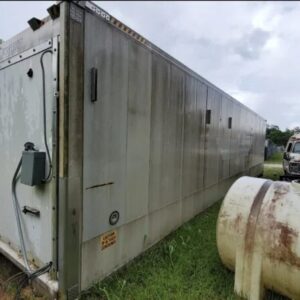
An insulated shipping container keeps the temperature swing inside far smaller than a bare steel box, without necessarily running refrigeration machinery. HR Container Service groups three related things here: purpose-insulated containers, non-operating reefers sold as insulated shells, and units where insulation is paired with HVAC or heating rather than a marine refrigeration set. All of them address the same problem — steel conducts heat, and an uninsulated container bakes in summer sun and sweats with condensation when temperatures drop overnight.
Where insulation without full refrigeration is the right answer
- Storing paint, adhesives, resins and battery stock that must stay above freezing but need no active chilling
- Document, electronics and tool storage where condensation drip is the real threat, not heat
- Workshops, offices and welfare space converted from containers, where insulation controls comfort
- Dry goods and packaging that degrade in a container that swings 60 degrees over a day
- Buffer storage next to a cold room, holding product close to but not at cold-chain temperature
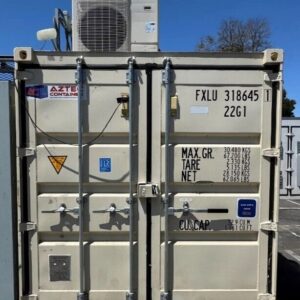
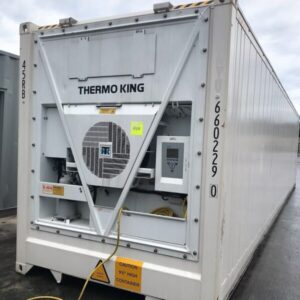
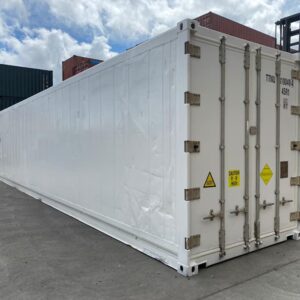
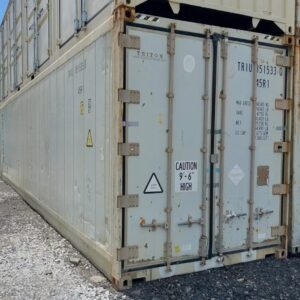
The straightforward option is our standard insulated container range. If you want maximum insulation value for the money, a 40ft non-working reefer container gives you factory refrigeration-grade panels at a lower price than a live machine, since the compressor is not part of the deal. Where you need actively controlled air, the 40ft high cube insulated container with a 5-ton Bard HVAC unit pairs the shell with a wall-mount system. For small chemical stores, see the 4m x 2m insulated COSHH flat pack unit.
Ready to size one? Send us your temperature requirement and we will match the specification.